 By Admin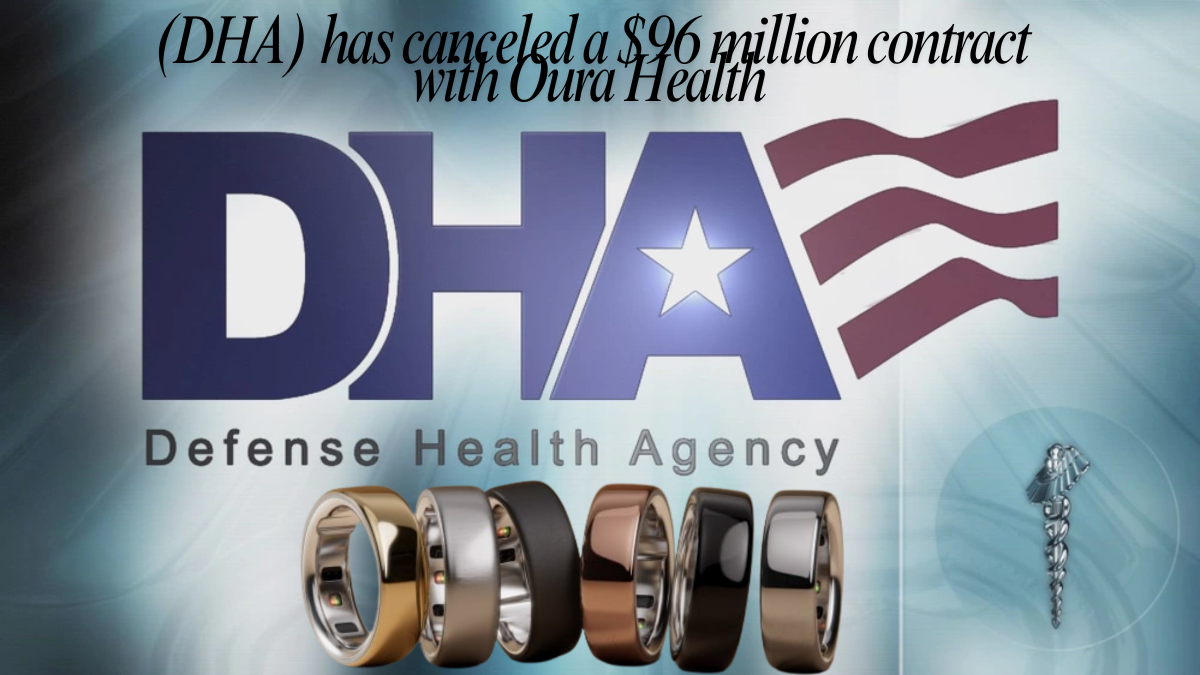
Discover why the dha cancels ouraring biometric ring solicitation about $96m, the vendor protests behind it, and what this shift means for future military wearable technology.
In an unexpected turn of events, the Defense Health Agency (DHA) has canceled a $96 million contract with Oura Health — the makers of the Oura smart ring — ending a controversial attempt to deploy biometric wearables widely across military health personnel. The decision, announced in March 2025, marks a major shift in the DHA’s wearable technology strategy and raises serious questions about procurement, competition, and how biometric data is valued in government systems.
Dha cancels ouraring biometric ring solicitation this story is not just about technology. It’s about how giant government health agencies try to balance innovation and fairness. It’s about rivalries between biometric companies. And it’s about how shifting budget priorities can unravel even the most high-profile contracts.
Key facts and timeline about Dha cancels ouraring biometric ring solicitation
| Date / Period | Event | Key Facts |
|---|
| Early 2024 | Contract Planning | DHA begins planning a wellness program using biometric wearables; Oura Ring is shortlisted. |
| Mid-2024 | Contract Award | DHA awards a $96M contract to Oura Health for smart rings and wellness platform. |
| Late 2024 | Vendor Protests | Rival companies, including WHOOP, file formal complaints/protests. |
| Early 2025 | GAO Protest | The protest from WHOOP escalates to the Government Accountability Office (GAO). |
| March 2025 | Contract Cancellation | DHA officially cancels the $96M contract with Oura. |
| After Cancellation | Reactions & Fallout | Oura publicly expresses disappointment; WHOOP claims victory. |
| Mid 2025 | Strategic Reassessment | DHA is expected to reconsider wearable procurement strategy. |
| Late 2025 and Beyond | Industry Impact | Other wearable companies monitor the situation closely. |
What Was the Original Contract?
The contract in question was Dha cancels ouraring biometric ring solicitation set to go to Ouraring Inc., the U.S. subsidiary of Finnish company Oura Health. According to formal award notices, the deal was going to provide biometric smart rings and a well-being platform for DHA’s workforce. The vision was ambitious: use the ring trackers to monitor physiological stress, recovery, resilience and overall health, while feeding all of that into a data platform that would support wellness interventions.
The terms outlined a federal “wellbeing office” program. Through it, data from the rings would be gathered, visualized, and used to deliver wellness content, and even coaching for leadership and peer support. According to the contract, Oura would deliver not just the hardware but a full ecosystem: analytics, support, and resilience training.
The award was made on a sole-source basis, meaning the DHA did not open the contract up to broad competition — a choice that would soon generate controversy.
Why the Contract Sparked Protests
Almost immediately after the announcement, the contract raised eyebrows — especially among competitors.
WHOOP, another wearable tech company known for its wristband trackers, filed a formal protest with the Government Accountability Office (GAO). Their argument was blunt: the solicitation was unfair. They claimed the DHA had limited the competition by insisting device bidders use a ring form factor, effectively excluding other companies like WHOOP that build wrist-worn trackers.
WHOOP’s position wasn’t just technical. They framed their protest around broader fairness: they said restricting the contract to rings excluded more than 97% of the commercial wearable market. That claim struck a nerve. For wearable companies, winning a contract like this would be huge — especially with defense or health systems looking to adopt more biometric tools.
Because the DHA’s solicitation was so narrowly focused, critics argued it appeared to favor Oura. What began as a wellness innovation for military personnel quickly morphed into a contested procurement battle.
Budget Shifts and Strategic Reassessment
In March 2025, the DHA officially canceled the contract. Their public explanation: “This acquisition is no longer required.” Breaking Defense In other words, the plan was scrapped. But insiders and analysts suggest it wasn’t just about wearable tech anymore — it was about shifting priorities.
Defense budget decisions were already in flux. Around that time, Pentagon leadership was reexamining plans for fiscal year 2026, including reallocating funds away from legacy programs. The decision to cancel this wearable contract may be tied to that broader realignment.
Some argue that the DHA saw the wearables program as less critical than other investments. Others believe that the protests from WHOOP, combined with political pressure, made defending a sole-source approach less tenable.
For Oura, the cancellation was a blow. They had built a strong case: their rings were already well-known in fitness and wellness circles, and they claimed the contract would deliver real value by fighting burnout and supporting personnel health. An Oura executive told media outlets that even a modest improvement in well-being could provide a solid return on investment for DHA.
The Fallout: Reactions From the Industry
Oura’s Perspective
From Oura’s point of view, the contract wasn’t just a commercial win — it was a health initiative meant to support some of the most stressed workers: medical staff within the military system. They said the ring and data platform could detect stress and recovery trends, potentially reducing turnover and improving performance.
Still, even as they expressed disappointment, Oura remained publicly focused on long-term goals. In their view, wearable biometric tech still holds huge potential in both consumer and institutional markets.
WHOOP’s Response
WHOOP’s protest did more than delay the contract — it shined a light on how government agencies award technology contracts. After the cancellation, WHOOP called the DHA’s decision a win for “fair competition and common sense.”
They emphasized that innovation should not come only through backroom deals. Their message: if the defense sector is going to rely on wearables for well-being and readiness, it should buy tech in a way that allows more companies to compete.
This standoff is about more than rings vs. bands — it’s about setting a precedent in how the U.S. government procures wearable health devices.
Lawmakers and Oversight
Some members of Congress also weighed in. They expressed concern over the original sole-source award and called for more transparent procurement practices. Their argument was not just about fairness, but also about ensuring the government gets the best product at the best price — something open competition tends to encourage.
Privacy, Surveillance and Broader Concerns
Beyond procurement, the episode raised deeper questions about biometric data, privacy and how wearable technology might intersect with national security.
Critical voices pointed out that deploying biometric devices such as smart rings across military personnel raises serious privacy issues. While Oura’s rings track common metrics like sleep, heart rate and temperature, when deployed in a sensitive environment, the potential for misuse or overreach became a flashpoint.
Some users and commentators voiced concern, asking: would data collected by the rings eventually be used for surveillance or performance evaluation? Would personal health data be truly protected, especially for military staff operating under high-pressure conditions?
For its part, Oura publicly stated that data collected for the government program would be handled under enterprise-level security life, implying strong controls. Still, the optics of the cancellation raised questions: was the pushback only about fairness in procurement, or was it also fueled by broader unease over how biometric health data might be used?
What This Means for Future Wearable Procurement
The cancellation sends a clear signal: even when agencies push for innovation, they must navigate procurement rules, vendor protests and budget politics. For wearable tech companies, the DHA’s decision is a cautionary tale.
Here are a few likely outcomes:
- Future solicitations may explicitly avoid sole-source deals, preferring more open and competitive structures.
- Agencies might reconsider strict form-factor requirements — allowing wrists, rings or patches, depending on vendor capabilities.
- Wearable makers may need to demonstrate higher levels of compliance, security and enterprise readiness to win government contracts.
- Government buyers may become more cautious about large biometric programs unless a wide field of competitors can participate.
In short, the bar may be higher going forward — but that could also produce better innovation and more responsible system design.
Lessons Learned
From this saga, a few lessons stand out:
1. Fair Competition Matters
Even high-level contracts can’t ignore calls for open competition. Locking in a single provider — especially for new tech — invites scrutiny.
2. Procurement Strategy Is Critical
Specifying exactly one form factor (a ring, in this case) limited competition. In technology procurement, flexibility often pays off.
3. Data Sensitivity Isn’t Just Technical
Deploying biometric wearables in health and defense contexts means dealing with real privacy concerns. Agencies must balance innovation with protections that protect individuals.
4. Budget Signals Drive Change
When the Pentagon or a defense agency reprioritizes, even well-laid plans may be abandoned. Vendors should expect that shifting funding lines could derail contracts.
Why This Cancellation Is a Big Deal
To some, this cancellation might seem like just another contract drama. But it’s more than that.
- It’s a test of how the Defense Health Agency thinks about health tech and innovation.
- It’s a case study in how government procurement can clash with emerging technology.
- It’s a reminder that wearable health devices — especially biometric rings — are not just for fitness; they’re entering serious institutional use.
- It’s about trust: who gets to build these systems and who oversees them.
For the industry, the fallout could redefine how wearables are pitched to large institutions — not just for wellness, but for organizational performance.
Where Do Things Go From Here?
The DHA’s cancellation closes one chapter — but it probably isn’t the end of the story.
- New Competitions Could Arise
With WHOOP shining a light on the issue, there might be future solicitations that open the door to multiple form factors and vendors. - Other Wearable Giants Will Watch Closely
Companies like Garmin, Apple, and Google — along with smaller niche device makers — will likely pay close attention to how the DoD structures its next biometric RFP. - Policy Changes Might Follow
Lessons from this incident could influence how the Pentagon (and other agencies) handle tech procurement. Expect increased pressure for fairness, transparency and security. - Wearable Health Tracking Is Far From Dead
Despite this cancellation, the broader vision of smart wearables helping to monitor stress, wellness and readiness in defense settings is still very much alive.
Final Thoughts
The Dha cancels ouraring biometric ring solicitation $96 million contract with Oura hasn’t just ended a procurement plan — it has sparked a deeper conversation about how governments buy emerging tech, how data is handled, and what fairness means in innovation.
This isn’t simply a story about wearable rings. It’s a story about power, trust and the future of health technology in high-stakes environments. Oura may have lost one big deal, but the movement to merge biometric technology with health, resilience and readiness isn’t over. If anything, this episode may help shape more thoughtful, competitive, and secure contracts in the future.
[…] understand teamwork, so connecting politics to teams makes the idea easier to grasp. You can even compare it to a school group project. Some […]