 By Admin
Learn the full story behind the Damon Marsalis Gaines workplace assault case at Reagan National Airport. Explore key facts, timeline, and the broader FAA safety concerns raised after his 2025 arrest. Discover how high-pressure conditions in air traffic control may have contributed to the incident.
The world of air traffic control rarely enters public conversation unless something goes very wrong. Most travelers never see the people guiding aircraft safely through crowded skies. Yet every airport depends on these professionals to make thousands of split-second decisions each day. In late March 2025, this high-pressure environment came into focus for an unusual and troubling reason: the arrest of Damon Marsalis Gaines, an air traffic controller at Ronald Reagan Washington National Airport (DCA), following a reported workplace assault inside the control tower.
This incident was not just another headline. It unfolded at a moment when the airport was already under intense scrutiny. A deadly midair collision earlier that year had raised questions about safety, communication, and staffing practices inside one of the busiest towers in the region. Against that backdrop, the confrontation involving Gaines became more than a personnel issue. It highlighted how strained the workplace can become when lives depend on every decision made above the runways.
This article breaks down the incident, places it within the broader aviation context, and explores what it might mean for the FAA, airport staff, and the public.
Quick Facts: Damon Marsalis Gaines Case
| Category | Details |
|---|---|
| Name | Damon Marsalis Gaines |
| Age | Approximately 38–39 |
| Occupation | FAA Air Traffic Controller at Reagan National Airport (DCA) |
| Employer | Federal Aviation Administration |
| Incident Date | March 27, 2025 |
| Location | Air Traffic Control Tower, Reagan National Airport |
| What Happened | Alleged workplace assault during an altercation with a coworker |
| Arresting Authority | Metropolitan Washington Airports Authority (MWAA) Police |
| Charges | Assault and battery |
| Employment Status After Incident | Placed on administrative leave by FAA |
| Relevant Context | Occurred after multiple aviation incidents at DCA, including a fatal midair collision in January 2025 |
| Broader Implications | Concerns about workplace stress, tower safety, FAA oversight, and systemic pressure on controllers |
| Source of All Information | Details provided in user’s summary text |
Understanding the Incident: What Happened in the Tower
On March 27, 2025, an ordinary shift at the Reagan National Airport air traffic control tower turned into the center of a criminal investigation. According to the information available, Damon Marsalis Gaines was involved in a physical altercation with a coworker. Whatever the disagreement was about, it escalated enough that police became involved, ultimately leading to his arrest.
The Metropolitan Washington Airports Authority Police Department took Gaines into custody and charged him with assault and battery. The Federal Aviation Administration responded quickly by placing Gaines on administrative leave, following standard procedure for staff involved in active criminal cases or incidents that threaten workplace safety.
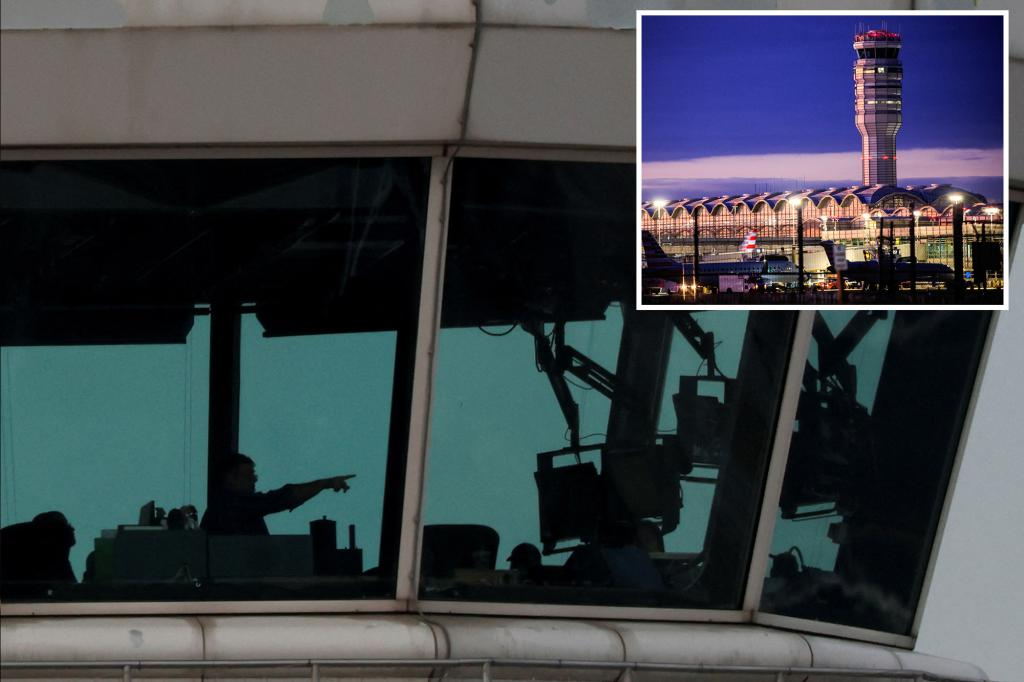
While the exact trigger for the confrontation has not been made public, it’s clear that the event was serious enough to raise alarms about the working environment inside the tower. Air traffic control is not a job where distractions or conflict can be tolerated. Every person inside that room plays a role in keeping aircraft separated, sequencing takeoffs and landings, and preventing collisions. A moment of chaos or aggression doesn’t just affect coworkers. It creates the potential for broader safety issues.
This is what sets the Gaines incident apart from a typical workplace altercation. It happened in a place where the stakes could not be higher.
Why This Case Stands Out: Timing and Context
The timing of the incident was particularly sensitive. Just months earlier, in January 2025, a deadly midair collision near Reagan National Airport shocked both the aviation world and the public. Investigators from the National Transportation Safety Board (NTSB) had been calling for urgent changes in staffing levels, communication procedures, and equipment protocols. The accident kicked off an intense wave of scrutiny directed at the FAA and airport operations.
The Gaines case landed right in the middle of this atmosphere.
A tower already under stress.
A workforce stretched thin.
A series of aviation incidents raising red flags.
This created the perfect storm where even a single act of misconduct could be interpreted as part of a larger systemic issue rather than an isolated event.
High-Pressure Workplaces and the Air Traffic Control Reality
To understand why this case matters, it’s important to recognize what air traffic controllers face every day. Their work is mentally demanding and unforgiving. Controllers coordinate multiple aircraft simultaneously, often in crowded airspace, with unpredictable weather, shifting runway patterns, and immediate safety concerns.
Every command matters. Every second counts.
It’s one of the most stressful jobs in the federal government. Many studies have shown elevated burnout rates among controllers due to long shifts, limited breaks, and constant vigilance. A tense workplace environment is not uncommon in the field. But when stress crosses a threshold, it becomes dangerous—for both staff and aviation safety.
The Gaines incident invites the question:
Was this an isolated personal confrontation, or a sign that pressure within the tower was reaching a breaking point?
What We Know About Damon Marsalis Gaines
Based solely on the available information, Gaines was a mid-career FAA employee in his late 30s working at one of the busiest airports in the region. His responsibilities would have included directing aircraft, ensuring separation between flights, and maintaining safety standards within the airspace.
There is no publicly shared record of previous misconduct or performance issues. The limited information emphasizes only the March 27 altercation and the resulting arrest.
The FAA’s immediate response—administrative leave—indicates the agency took the matter seriously, as they must in any scenario involving workplace violence in a safety-critical environment.
How the Arrest Impacts the FAA and Airport Operations
While one arrest may not seem like a large event for a federal agency, timing is everything. Because this incident unfolded in a fragile moment following aviation accidents, the FAA must consider how it reflects on their internal culture and oversight.
Here are some ways the incident could shape future decisions:
1. Increased Monitoring of Tower Environments
The FAA may begin reviewing communication logs, staffing levels, and shift schedules to determine whether stress or workload contributed to a hostile atmosphere.
2. Additional Training and Conflict-Resolution Programs
Air traffic controllers receive extensive technical training, but emotional or conflict-handling training sometimes receives less emphasis.
3. More Oversight from NTSB and Federal Committees
With the NTSB already urging reforms, another tower-related issue adds weight to their recommendations.
4. Public and Media Pressure
Any event involving safety at an airport as prominent as DCA almost always gains public attention, which can accelerate policy review.
Risks That Come With Tower Tension
When a workplace altercation occurs at an ordinary office, the consequences are internal. However, in an air traffic control tower, conflict can threaten operations, morale, and even safety.
Below are some of the main risks tower environments face when stress goes unmanaged:
- Distraction during critical operations
- Reduced trust between controllers
- Increased likelihood of communication errors
- Lower morale leading to slower performance
- Potential for staffing shortages if incidents escalate
Even a short disruption in a tower can have ripple effects on flights across the region. Controllers work as a unified team, and one moment of conflict can break the focus that aviation safety depends on.
The Broader Context: DCA’s Rough Start to 2025
The Gaines case cannot be viewed in isolation. Reagan National Airport had already gone through a series of stressful events in early 2025. The most serious was the midair collision that claimed lives and triggered national conversations about FAA staffing and modernization.
In addition to that accident, several near-misses and procedural concerns had been documented in the first quarter of the year. These incidents prompted the NTSB to increase oversight and push for reforms in the tower’s operational structure.
When an airport already under scrutiny experiences a workplace violence incident, it signals deeper questions:
Is the stress level in the tower too high?
Are staffing levels adequate?
Are supervisors catching conflict before it escalates?
Is fatigue contributing to interpersonal tension?
The Gaines arrest may serve as a catalyst for further investigation into what controllers at DCA are dealing with behind the scenes.
Why This Matters to the Public
Most passengers aren’t thinking about the lives of the people in the tower while rushing to catch a flight. Yet the safety of every aircraft depends on the people working there. When signs emerge that tower staff are facing stress, conflict, or a breakdown in teamwork, it becomes more than an internal issue.
Public trust in air travel is built on the belief that aviation professionals are operating at their best. A workplace assault raises questions about whether everyone in the tower is receiving the support, environment, and training they need.
The Gaines case serves as a reminder that air safety is not only about aircraft and technology. It’s also about the people making decisions every minute of every day.
The Human Side of the Story
Incidents like this often focus on the charges and the legal implications. But behind the news is a workplace filled with people facing enormous pressure. Air traffic control is an environment where even small disagreements can escalate quickly if stress levels are already high.
Without excusing misconduct, it’s fair to acknowledge the intense environment controllers operate in. High stakes can strain relationships. Long shifts can reduce patience. A charged atmosphere can make conflict more likely.
The real question is not just what happened between Gaines and his coworker. It’s what the tower conditions were like leading up to that moment. Was the environment supportive? Was staffing sufficient? Were controllers feeling overwhelmed?
These are the deeper questions aviation officials may now be forced to examine.
Possible Future Outcomes
While the legal process will unfold separately, the aviation community may see ripple effects from this case.
Possible outcomes include:
- New FAA internal safety reviews
- Increased mental health resources for controllers
- Mandatory conflict-management training
- Adjusted shift scheduling
- Public hearings on tower safety
- Stronger collaboration with the NTSB
The FAA has already faced pressure to make changes in 2025. This incident only adds fuel to that momentum.
Conclusion: A Case That Goes Beyond One Person
The story of Damon Marsalis Gaines is not simply about a single assault charge. It touches on workplace culture, systemic pressure, and the critical nature of air traffic control. His arrest came at a time when the FAA and Reagan National Airport were already under a microscope, which means the implications may reach far beyond one altercation.
As investigations continue and the aviation community reflects on recent events, the Gaines incident stands as a reminder of the human challenges behind the radar screens and radio transmissions. Controllers are essential to the nation’s air safety, and the environment they work in must support clarity, calm, and cooperation.