 By Admin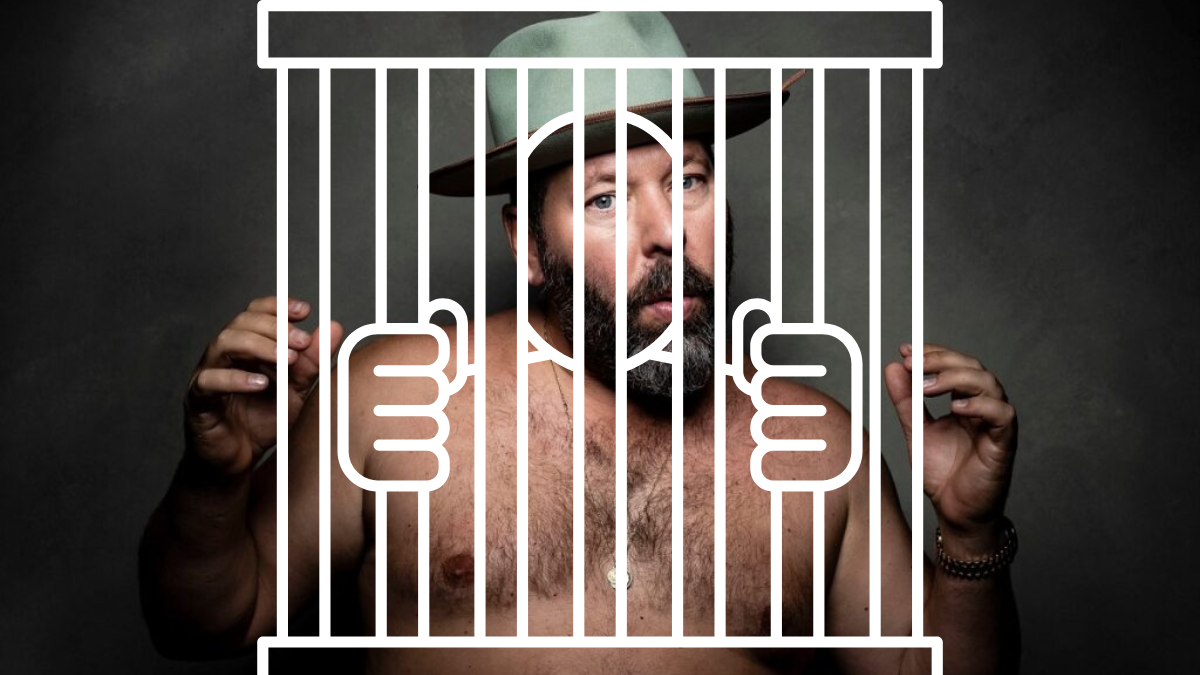
Every few months the internet grabs onto a new celebrity rumor, and before anyone can fact-check it, the story explodes across social media. One of the latest examples is the sudden rise of the Bert Kreischer Jail rumor. Fans, casual viewers and comedy followers began asking whether the popular stand-up comedian and podcast host had been arrested. Some posts presented the claim as if it were a breaking news story. Others memed it into absurdity, which only pushed it further into people’s feeds.
Comedian Bert Kreischer has never actually been in jail. The rumor started as a joke on his podcast 2 Bears 1 Cave when co-host Tom Segura casually said he was “in jail.” Fans took it seriously, and the story spread online, but it was later clarified as a prank
The truth is much more ordinary. There is no credible evidence, police report, legal filing or verified story linking Bert Kreischer to any recent arrest. The Bert Kreischer Jail rumor is simply the latest in a long string of internet hoaxes built around entertainers with large fan bases. Once a false story starts moving, it’s difficult to stop, especially when it involves someone whose public persona is already wild, chaotic and built on outrageous storytelling.
This article breaks down why the Bert Kreischer Jail rumor went viral, how it ties into his comedic reputation, why people believed it, and how to understand celebrity hoaxes in the modern online landscape. The goal is to give clarity, context and a full explanation of how a completely false story became one of the biggest trending searches in comedy circles.
What Really Happened
- Origin of the rumor: On an episode of 2 Bears 1 Cave, Tom Segura joked that Bert was in jail.
- Fan reaction: Listeners and social media users quickly spread the claim, thinking it was real.
- Clarification: Multiple outlets confirmed that Bert Kreischer was not arrested — it was just a playful gag.
- Timing: The rumor circulated in early 2024 and resurfaced later, confusing fans again.
Where the “Bert Kreischer Jail” Rumor Started
The exact source of the hoax is hard to pinpoint, but it appears to have snowballed from a mix of meme pages, AI-generated headlines and low-quality gossip blogs. Many of those sites publish sensational fake news because shocking titles generate clicks. When one small account posts something, another copies it, then someone screenshots it, and suddenly the original context disappears. What’s left behind is a screenshot claiming to show something real.
This is exactly how the Bert Kreischer Jail rumor gained momentum. A few low-effort posts suggested that he had been arrested for a wild incident. No details, no location, no date, and no verification. Normally this would be easy to dismiss. But because Bert Kreischer is known for outrageous stories, people entertained the possibility before asking for proof.
Within hours, the claim spread across TikTok comments, Reddit threads and comedy fan groups. Even though it was false, the speed of the spread made some people assume it must be real.
Why People Believed the Rumor So Quickly
One reason the Bert Kreischer Jail story took off is the comedian’s own persona. Kreischer embraces a larger-than-life style, built around partying, chaos, and unpredictable adventures. His most famous story, “The Machine,” is about accidentally helping the Russian mafia commit a train robbery during a college trip. When someone with that kind of reputation is linked to an arrest rumor, the story feels like something his fans could imagine happening, even if they know it’s probably exaggerated.
Another factor is the nature of modern online gossip. People often believe something because they see it repeatedly, not because it’s true. Once a rumor appears in many places at once, it creates the illusion of credibility. This phenomenon makes false stories difficult to combat and gives hoaxes like the Bert Kreischer Jail rumor the perfect environment to grow.
There’s also the entertainment element. Fans sometimes enjoy sharing outrageous claims even when they know the story is fake. In Kreischer’s case, memes, jokes and exaggerated posts encouraged others to spread the rumor just for fun. That wider audience helped keep the Bert Kreischer Jail narrative alive long enough for people outside the comedy world to become confused.
Bert Kreischer’s Public Persona Makes the Hoax More Believable
To understand the appeal of the hoax, it helps to look at Kreischer’s public image. He’s known for shirtless performances, hard-partying humor, wild storytelling and a loose, carefree approach to life. Because his comedy embraces chaos, fans often joke that trouble seems to follow him—even though that trouble is usually fictional or exaggerated for laughs.
This is one reason the Bert Kreischer Jail rumor felt believable to casual observers. When someone whose public persona is “professional party animal” gets linked to an arrest rumor, people instinctively expect the worst, even if they have no evidence. Kreischer’s comedy brand unintentionally set the stage for the hoax to spread, even though he has no record of being in jail.
The Role of AI-Generated Fake News in Spreading the Rumor
In recent years, AI-generated content has made misinformation easier to spread. Some websites use automated tools to create fake headlines because they depend on clicks for revenue. These sites often generate stories about celebrities being arrested, hospitalized, kidnapped or canceled. Their goal is not accuracy but attention.
Several users spotted AI-style articles connected to the Bert Kreischer Jail rumor. The writing had typical signs of automation: repeated phrases, vague details, and no sources. Once someone screenshots a fake headline, though, it circulates without context. That screenshot then becomes “evidence” even though it comes from a meaningless page.
This explains why many people questioned the Bert Kreischer Jail story even after others debunked it. Once misinformation enters the algorithm, it spreads whether it is true or not.
How the Comedian Responded to Similar Rumors in the Past
While Kreischer did not directly respond to this specific hoax, he has joked about rumor culture before. He often laughs at the fact that his own storytelling style makes people assume every wild story about him has a tiny chance of being real. His laid-back attitude and refusal to take online drama seriously encourages fans to keep making jokes about him.
This environment is part of why the Bert Kreischer Jail rumor lingered longer than expected. Fans enjoyed making light of it, turning it into jokes, riffs and memes. Instead of viewing the rumor as harmful, many people treated it as another comedy prompt. That kept the phrase circulating even after it was debunked.
Why Jail Rumors Spread So Easily Online
Many comedians, actors and athletes have been targeted by fake arrest rumors. It’s a common type of hoax because it taps into audience curiosity and shock value. A headline about someone going to jail gets immediate attention, even when people suspect it’s not true. This makes “celebrity jail” stories the perfect bait for low-quality websites and social media accounts looking for quick engagement.
This broader pattern helps explain how the Bert Kreischer Jail rumor took shape. Arrest stories use a simple formula:
- Name a celebrity people instantly recognize.
- Add a vague headline claiming they were arrested.
- Provide no details.
- Wait for shares, comments and outrage.
The formula works because humans respond strongly to dramatic claims, especially when no evidence is offered to contradict them right away. With someone like Bert Kreischer, whose brand is already tied to unpredictable behavior, the rumor becomes even more effective.
The Real Impact of the Rumor
Even though the rumor wasn’t true, it still had an impact. Fans flooded comment sections with questions, threads, and speculation. Many searched Google trying to confirm the story, which made Bert Kreischer Jail trend even more. That visibility reinforced the hoax and convinced more people that something must have happened.
While the rumor didn’t damage Kreischer’s career, it did highlight how quickly misinformation can spread. It shows that even harmless hoaxes can become major talking points when users repeat them without checking their validity.
Why the Rumor Eventually Lost Momentum
Viral rumors burn out quickly once people realize they’re based on nothing. As more users noticed the lack of evidence behind the Bert Kreischer Jail story, interest began to fade. Larger gossip pages replaced the rumor with new drama, and fans had already turned it into a joke rather than a real concern.
The disappearance of the rumor also shows how internet culture cycles through trends. What seems shocking one day becomes irrelevant the next once people stop feeding the algorithm.
How to Recognize and Avoid Celebrity Hoaxes
The Bert Kreischer Jail situation is a good example of why online users must approach sensational headlines with caution. When a rumor emerges, it helps to check whether:
- the story cites verifiable sources
- any major news outlet is reporting it
- the claim includes a date, location or names of officials
- the celebrity or their team has commented
- the headline appears only on unreliable websites
Most hoaxes collapse under the smallest bit of scrutiny. The Bert Kreischer Jail rumor did exactly that. The moment people asked for proof, the story fell apart.
Why Bert Kreischer Remains a Target for Rumors
As long as Kreischer stays in the public eye and continues building his career, he will remain a target for gossip and misinformation. High-profile comedians attract attention, and the more expressive or unpredictable they seem, the easier it is for people to invent stories about them.
Kreischer’s persona is built on storytelling, exaggeration and lovable chaos. That makes him a perfect target for a hoax like Bert Kreischer Jail, even though nothing about the rumor was true.
Conclusion: The Truth Behind the Hoax
When you set aside the noise, the truth is straightforward: there is no basis for the Bert Kreischer Jail rumor. No arrest, no charges, no event, and no evidence. The story is nothing more than an internet invention amplified by memes, AI-generated clickbait, and people who enjoy sharing wild jokes without checking the source.
Still, the rumor is an interesting example of how comedy culture, online misinformation and viral speculation interact. Bert Kreischer’s personality made the lie feel playful and believable, but in the end, it had no foundation in reality.
If anything, the Bert Kreischer Jail hoax shows how quickly a single screenshot or headline can turn into a trending topic in today’s digital world, even when the entire story is fictional.